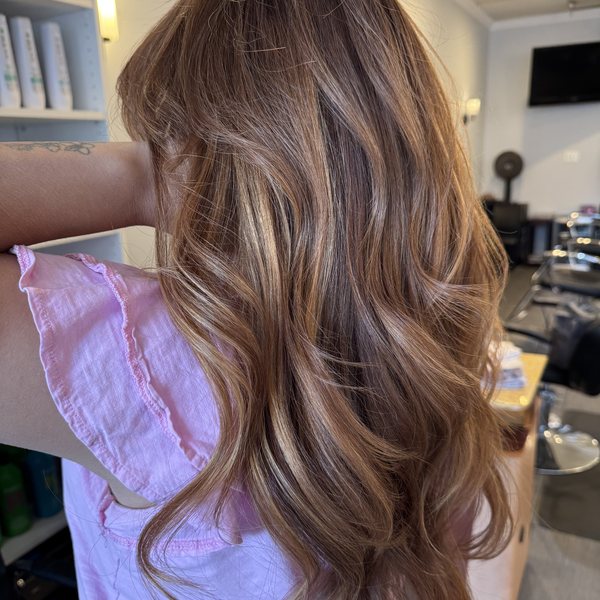
The short answer: balayage is often the easier path when you want soft, lived-in brightness and more time between major color appointments. Highlights can be the better choice when you want lift closer to the root, more even brightness, or a more noticeable change. Neither is automatically lower maintenance; the placement, tone, cut, and your natural contrast matter just as much as the service name.
What is the difference between balayage and highlights?
Balayage is a hand-painted approach that usually keeps the root area softer and builds brightness through the mids and ends. Traditional foil highlights use more deliberate sections and controlled lift, which can create a brighter, more uniform result from the root through the lengths.
In practice, the lines blur. A great color service may combine a balayage-inspired placement with foils around the face or crown. The right question is not which label sounds better. It is what kind of brightness, grow-out, and maintenance fits your actual routine.
Choose balayage first if your priority is a softer grow-out and a sunlit, dimensional look. Consider highlights first if you want brightness that starts closer to the scalp or a more consistent blonde or blended-color effect.
Who is balayage a good fit for?
- You like dimension and movement instead of one solid line of brightness.
- You want a look that can grow out more softly between full color visits.
- You are open to keeping a little depth near the root for contrast and easier maintenance.
- You want a color plan that can be refreshed with glossing, a face frame, or selective lightening as needed.
Balayage is not always the quickest route to a very light blonde result. If your hair is dark, previously colored, or needs significant lifting, your stylist may suggest a staged plan to protect the condition of your hair.
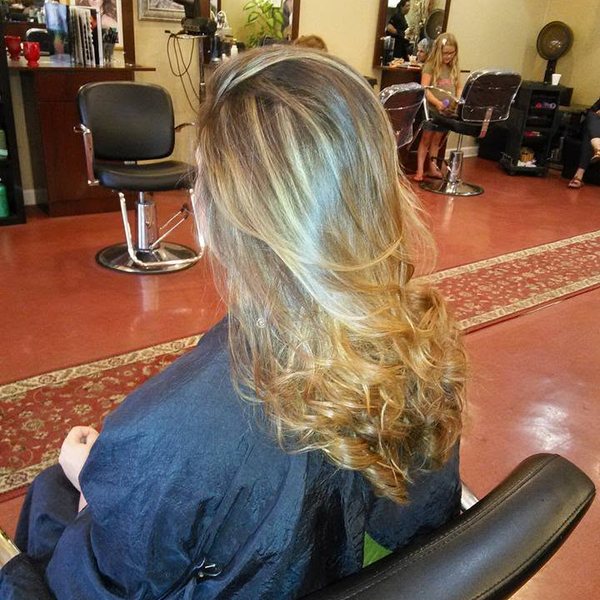
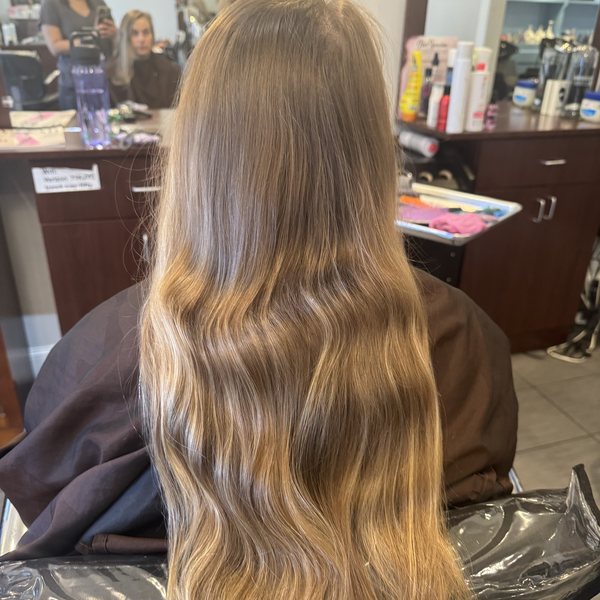
Who are highlights a good fit for?
- You want noticeable brightness closer to the root.
- You prefer a more uniform result or a clearer blonde effect.
- You have a target shade that needs controlled, even lift through specific sections.
- You are comfortable planning regular toning or highlight refreshes to keep the color looking its best.
Highlights can still be personalized for softer maintenance. Fine sections, a root shadow, lowlights, or a blended face frame can change how the color grows out and how frequently you feel ready for a refresh.
What does maintenance actually look like?
Maintenance is more than the number of weeks between appointments. It includes how strong you want the brightness to stay, whether you like seeing natural regrowth, how often you heat-style, and whether your preferred shade needs toning to stay balanced.
- Balayage: many clients can space full lightening appointments farther apart, then use a gloss, trim, or small face-frame refresh between visits.
- Highlights: clients often choose a partial or full refresh on a more regular rhythm, especially when they like brightness close to the scalp.
- Either service: a toner or gloss can be useful when you want to refresh shine and tone without repeating a full lightening appointment.
What changes the price and appointment time?
Color is priced around the work your hair needs, not just a single label. Length, density, previous color, the amount of lift required, product use, toning, haircut services, and correction work can all change the time and final price. A consultation is especially valuable if you are moving from a dark color, have box-color history, or want a major blonde transformation.
Questions to bring to your color consultation
- How light can we safely go in this appointment?
- What will my grow-out look like at six to eight weeks?
- Would a partial, full, or face-frame refresh make the most sense for my goal?
- What should I use at home to protect the tone and condition?
Balayage vs. highlights: the best next step
Bring a few photos that show what you like, but also explain what you do not want: visible root lines, too much warmth, a high-contrast look, or a schedule that feels too frequent. That gives your stylist the information needed to design a color plan around your hair and your life.